

TREND STORY.
The Wellness Trend
Wellness: The #1 Trend in Commercial Interiors Today
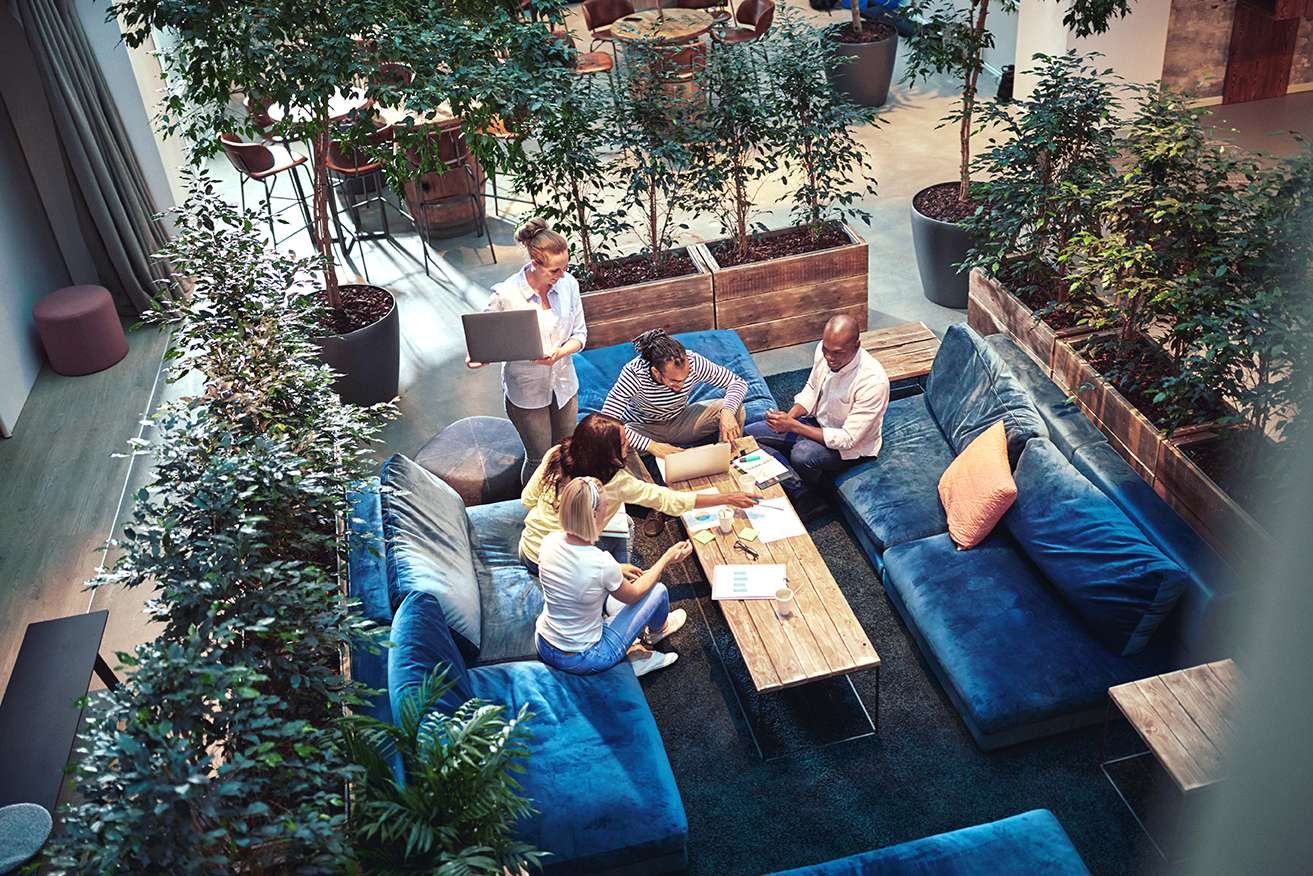
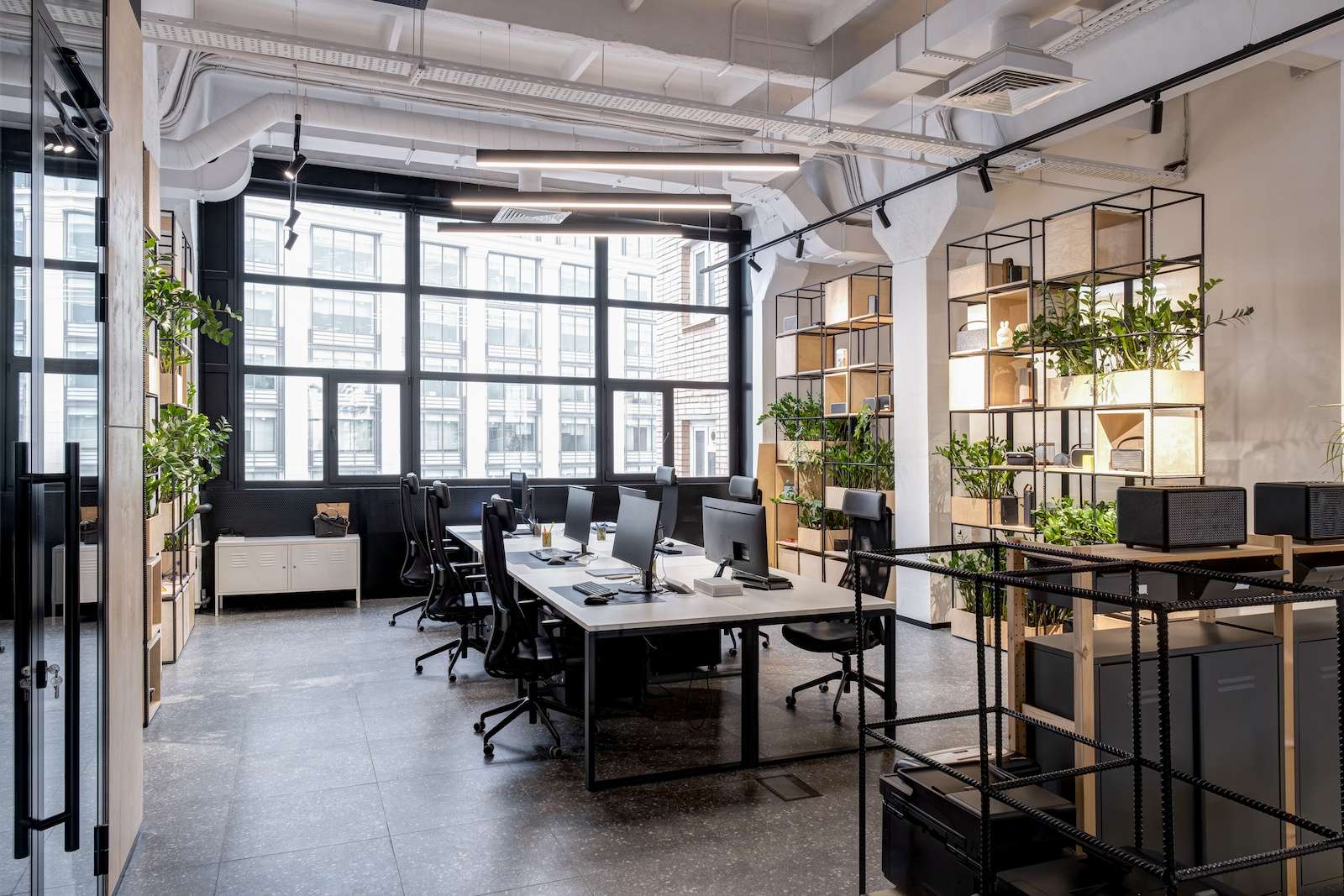
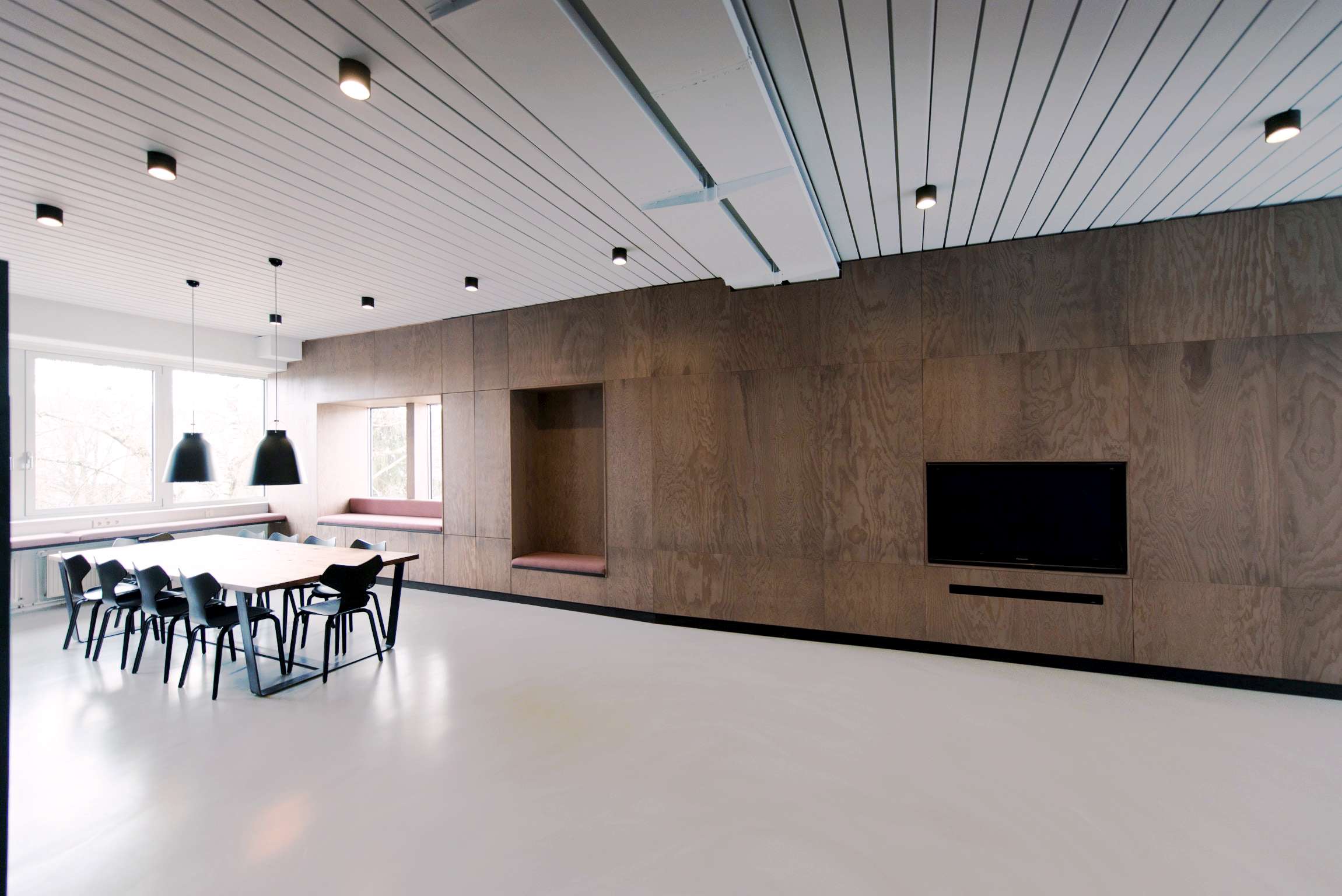
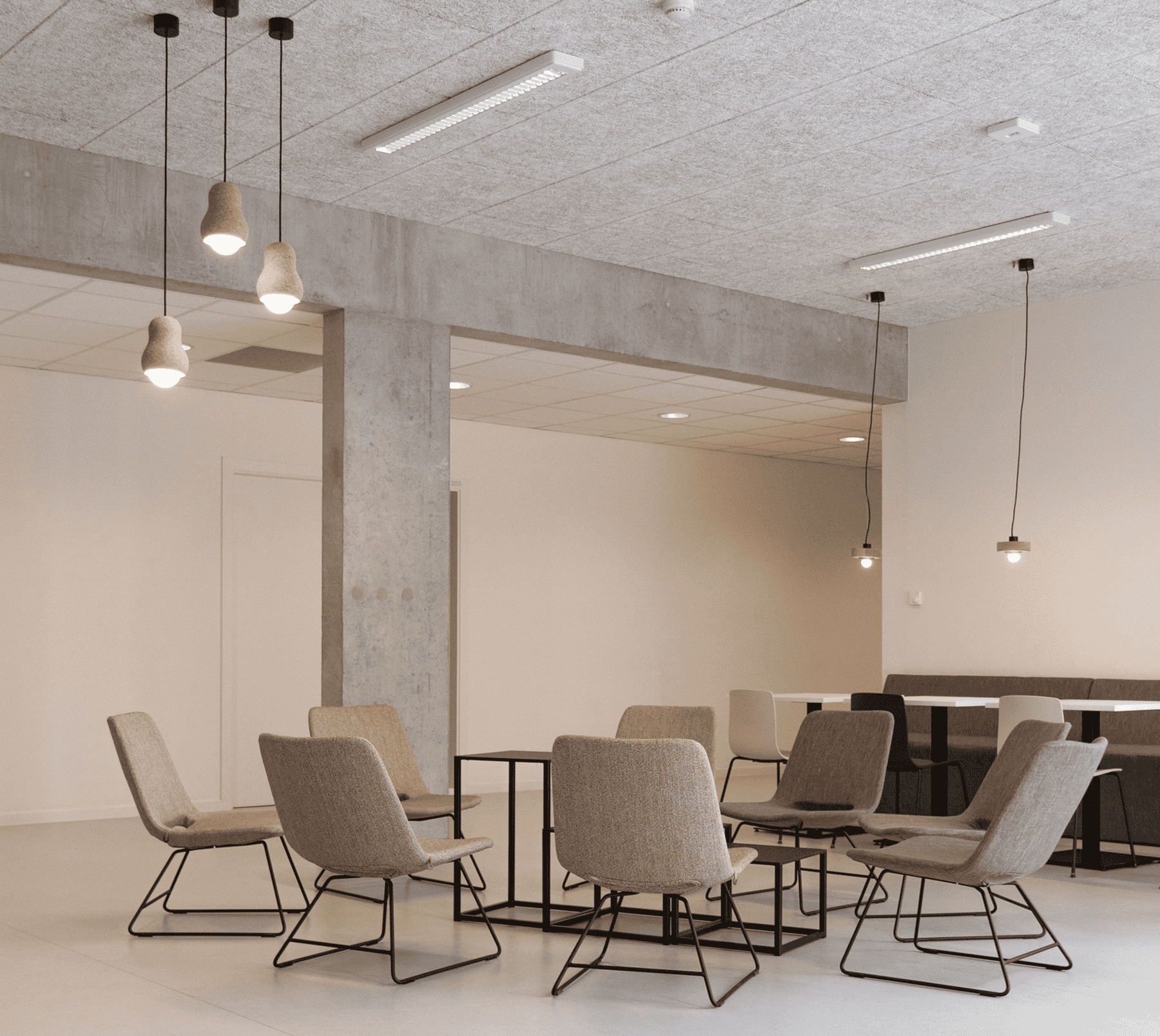
Driven by a desire for personal wellbeing that spans home and work environments, the wellness trend continues to grow in interior design for commercial spaces—workplace, healthcare, hospitality, retail, education, and multifamily housing. There is a powerful desire for a more thoughtful, less frenetic approach to life at home and at work. As designers contemplate materials for use in such spaces, less tangible environmental, emotional, and physical factors come into play alongside the straightforward aspects of price and product performance. The choice of materials incorporated into a commercial space can make all the difference.
“As an architect, you design for the present, with an awareness of the past, for a future which is essentially unknown." -Norman Foster
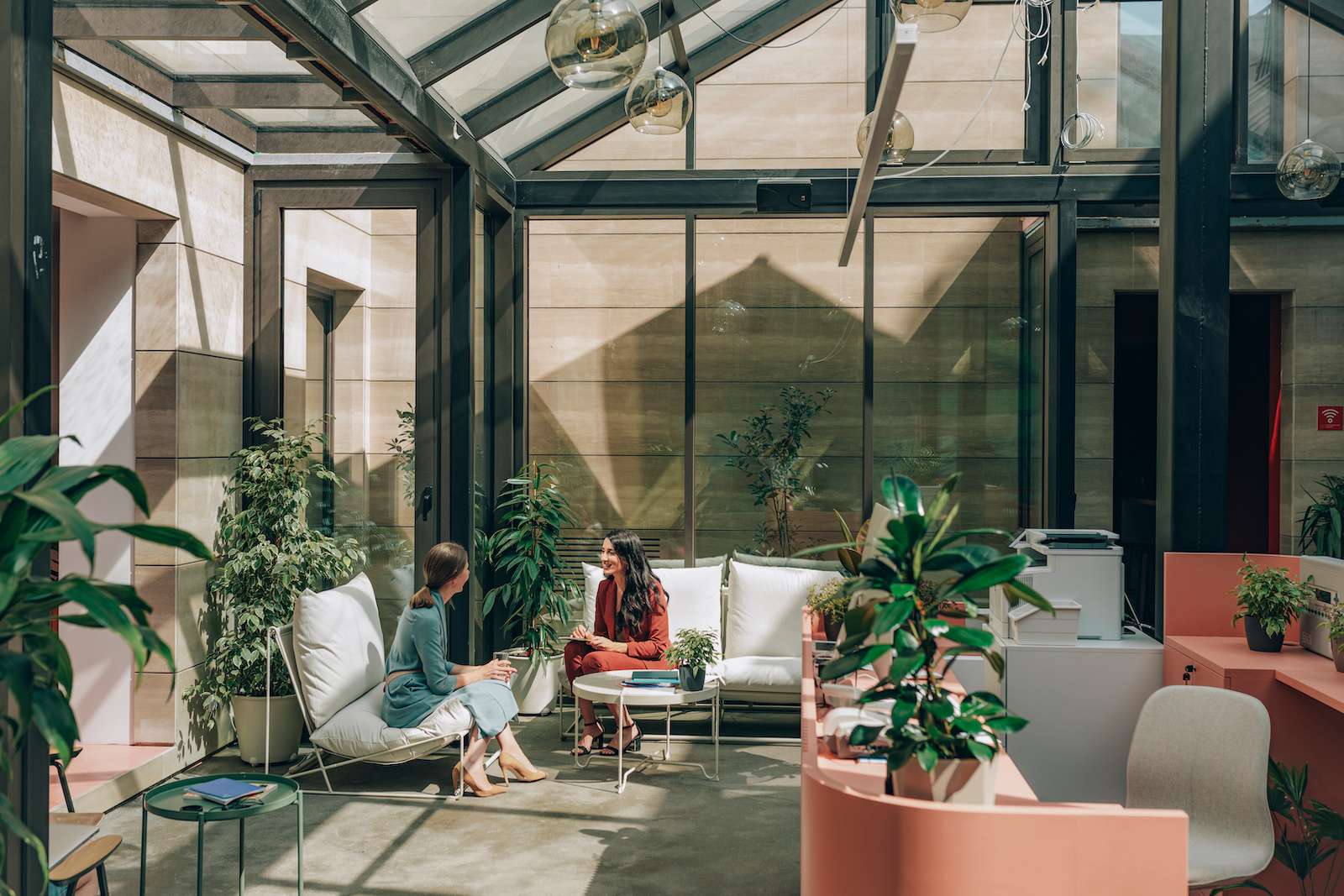
Retreat-style coworking hubs are in demand
According to the Global Wellness Institute, “wellness real estate”—spaces that incorporate wellness elements in their design, materials, and architecture—is in demand. Its popularity shows no signs of abating. All that working from home during the pandemic has driven a desire for home-like spaces everywhere we go. The “homification” of commercial spaces can be directly attributed to a preference for serene, stress-free workplaces inspired by nature and complemented with surfaces, textures, and finishes that bring the outdoors in.
Dedicated coworking hubs are popping up all over as post-pandemic lifestyles embrace a more fluid work/life balance. Multifamily housing, co-living residential buildings, and hotels feature communal workspaces scattered throughout the floors—sometimes with each featuring a distinctly different vibe. Restaurants are designed to accommodate the busy as well as the hungry. “Slowmads”—remote workers who choose to settle in one spot for a period of time and then move on—are reshaping long-term rentals. It all points to the need for commercial designers to think in new ways about hybrid workspaces while still taking into account the practicalities shared spaces require: durable surfaces that are easy to clean and sanitize without sacrificing style.
'Nomadic Nature' designs offer a calm oasis in a sea of sensory overload
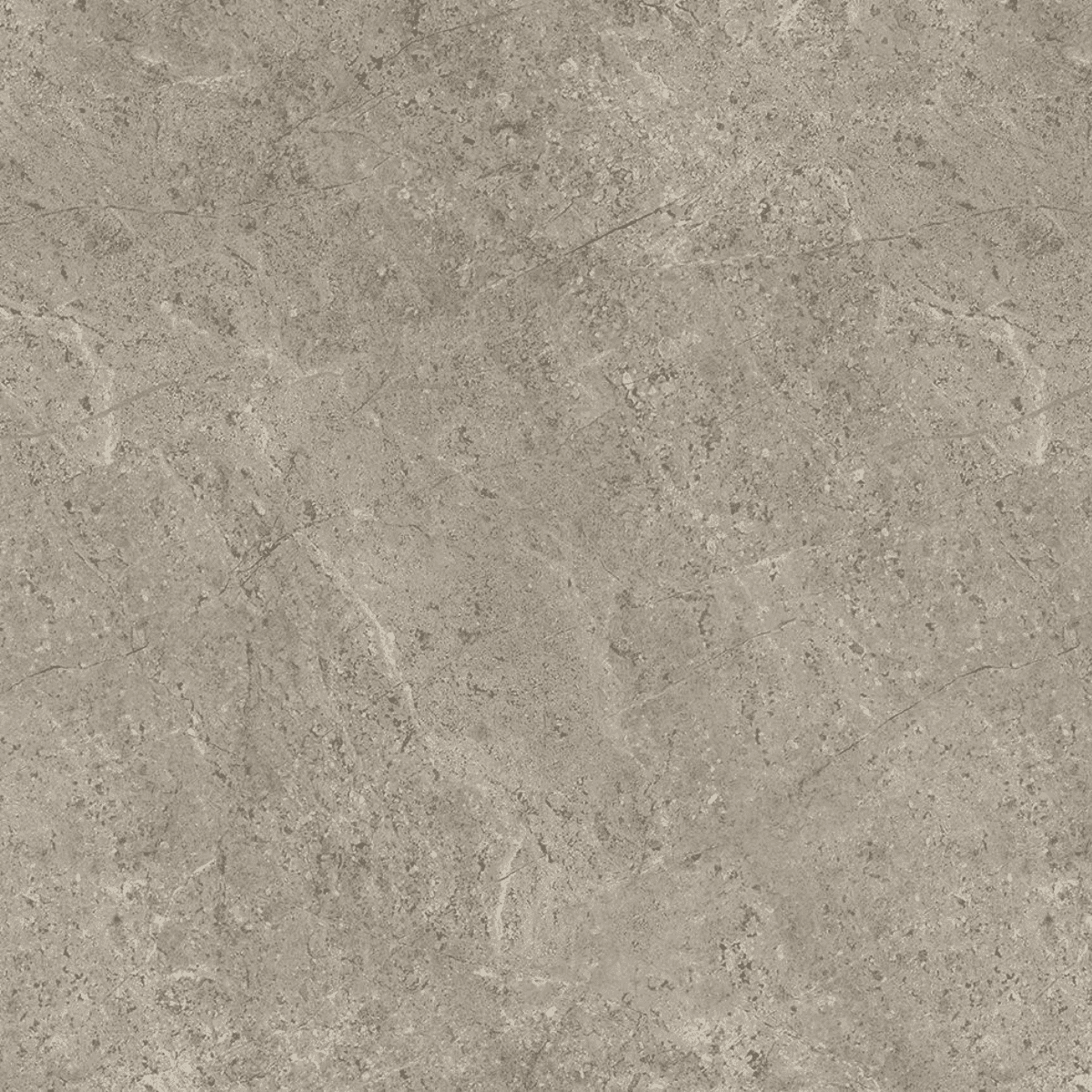
“Biophilic architecture” has been increasingly utilized to create environments that promote health and sustainability. The style incorporates nature into building spaces with design principles and materials that reduce stress, enhance creativity and improve clarity of thought. The Nomadic Nature trend captures the essence of biophilic architecture perfectly, merging organic influences and sensory elements to create inspired—and inspiring—workspaces reminiscent of sacred outdoor environments. Surfaces that echo desert granites, perfectly imperfect organic grains, woven textures like grass cloth and linen, the raked lines of Zen gardens, and tumbled surfaces lend a Nomadic Nature spirit of authenticity to any room.
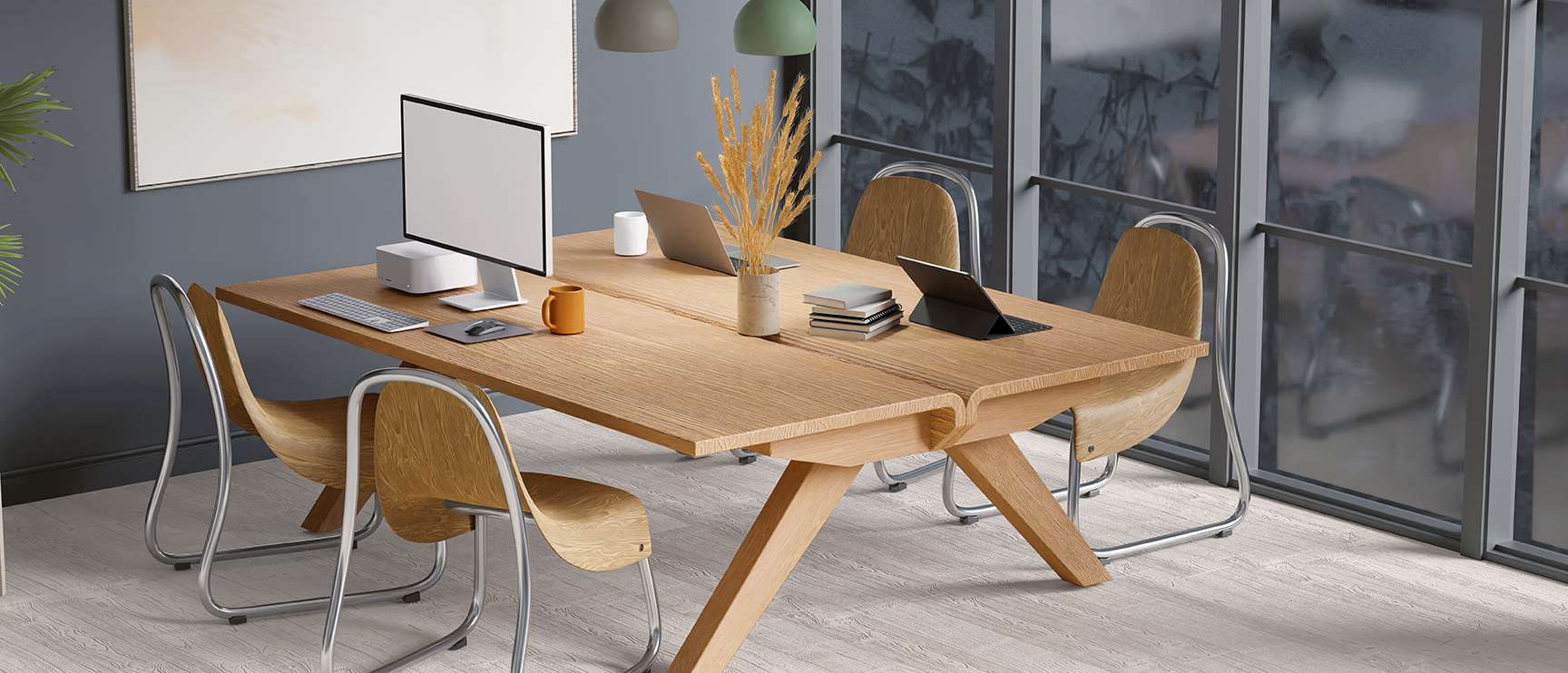


'Modern Metacine’ is where technology and medicine meet to transform wellness environments
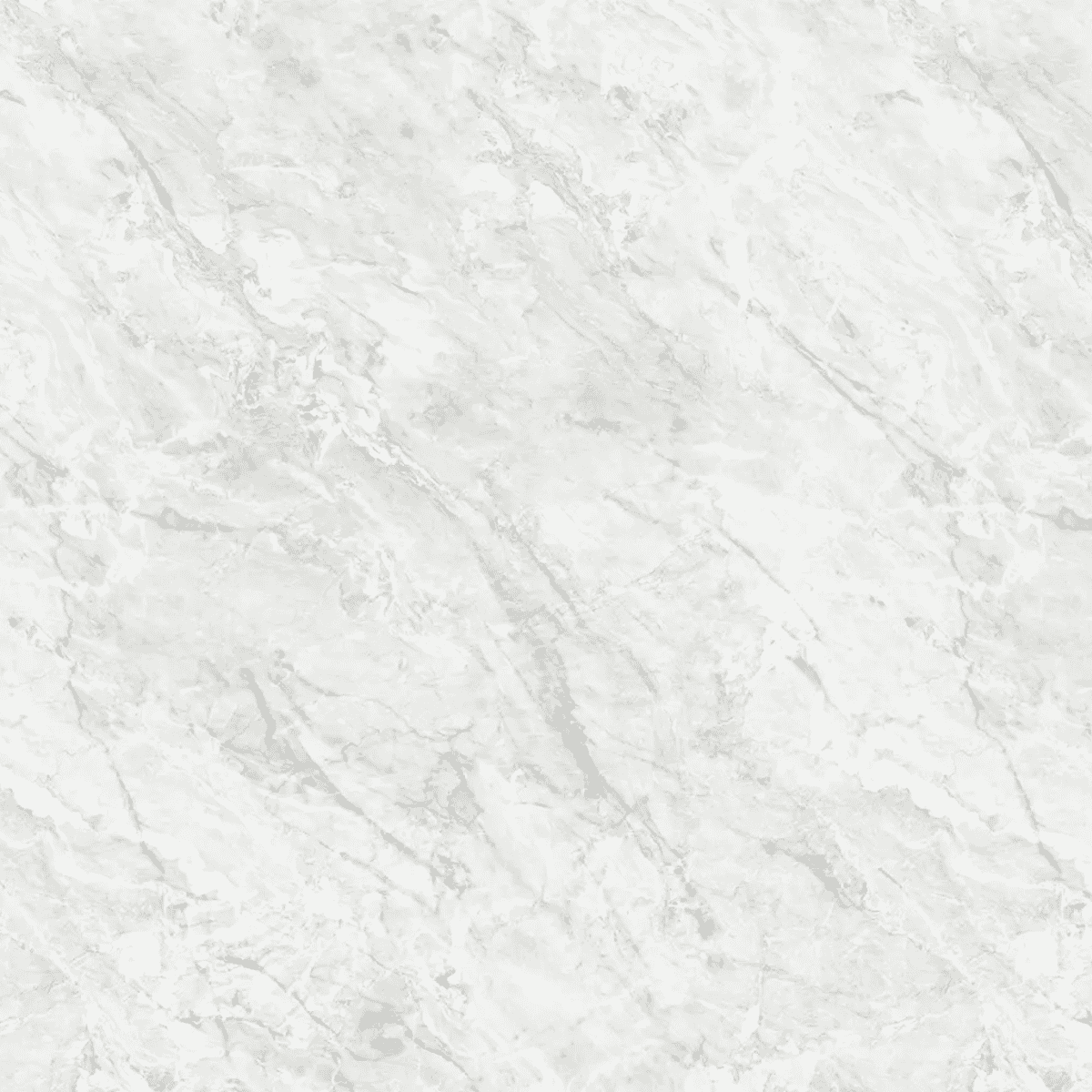
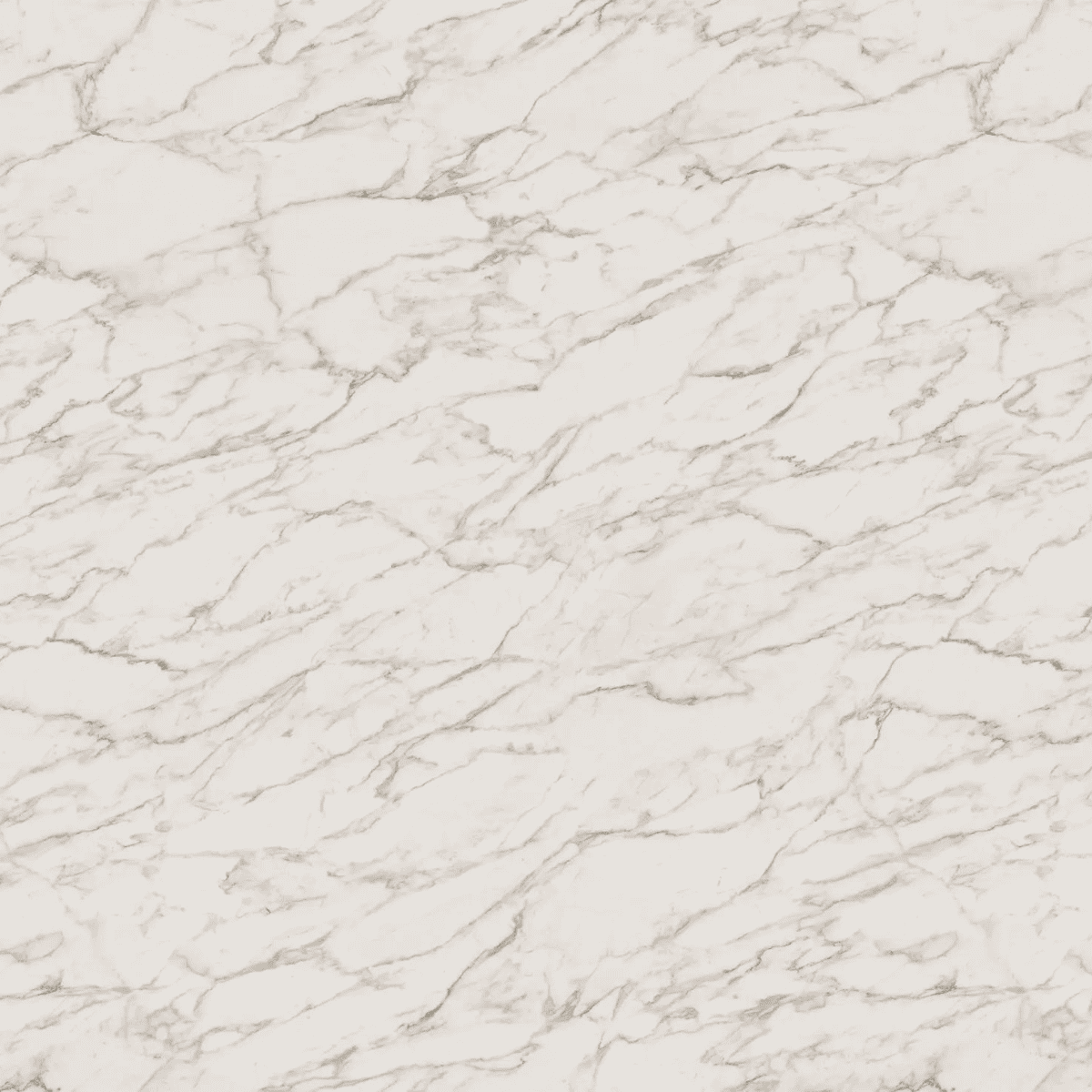
Virtual and physical design are beginning to influence each other in interesting ways. The fantasy world of the metaverse is bringing hope, boldness, and creativity to our stressed-out society, which is inspiring new ways of thinking about the spaces we work in. Color, finishes, patterns—they’re all fair game. The metaverse is infinitely malleable, and the Modern Metacine trend reflects that with designs that embrace minimalism, hushed spaces, sacred circles, dreamscapes, Oceana, and stunning vistas borne of imagination. “Phygital” (physical/digital) surfaces, softly colored stones, water-inspired palettes, and the soft yet vibrant hues of sunsets and flower gardens are at home in these workspaces.
Stone Looks

WILSONART EMAIL NEWSLETTER
Stay Connected.
Sign up to get interesting news and updates about new products, tools, and inspiration delivered right to your inbox.

Validate your login
Sign In
Register